Landscraft/Timecraft- Resolving what these new cultural concepts are
LANDSCRAFT & TIMECRAFT
Landscraft is the central and defining concept of the project.
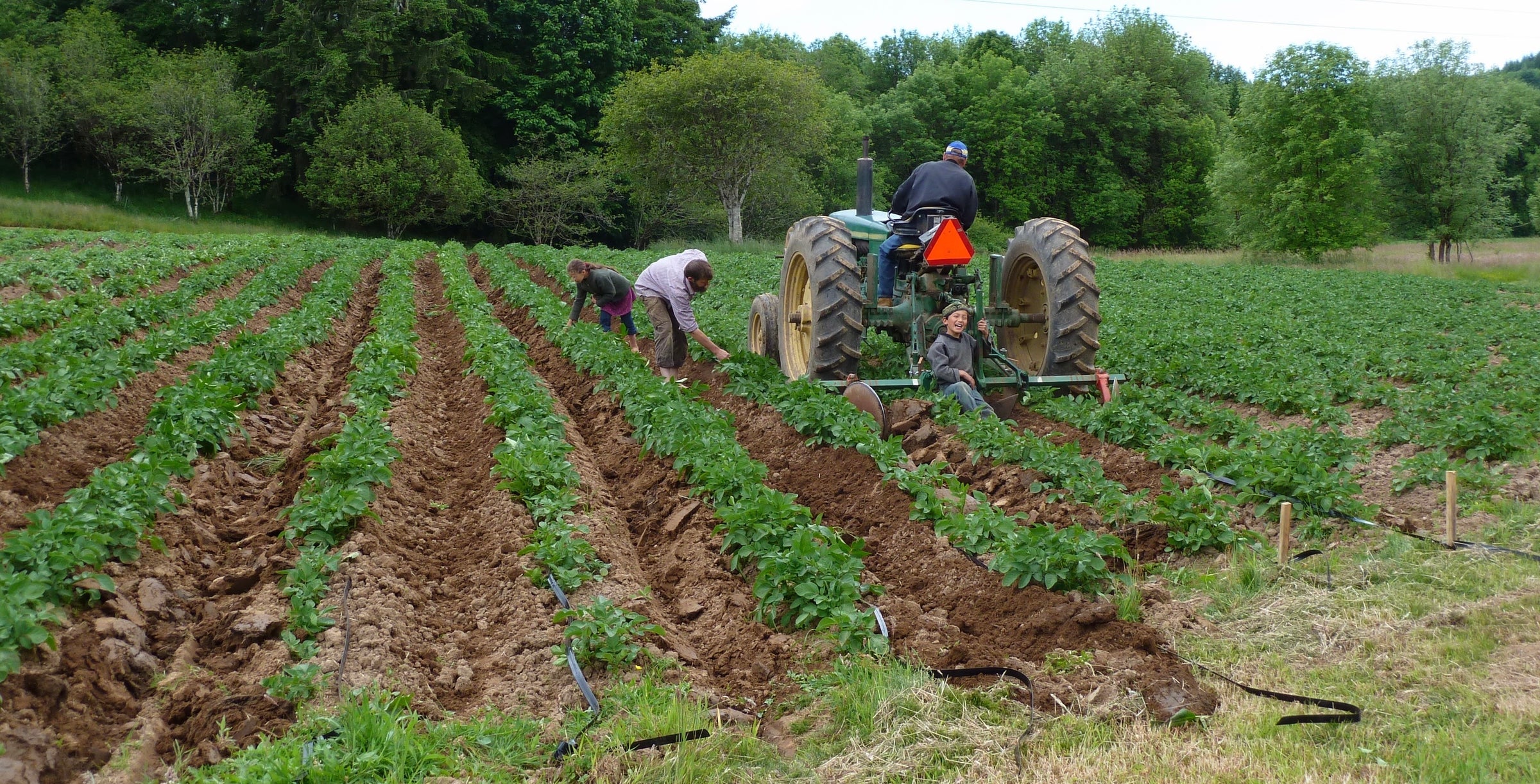
Landscraft refers to the ways of living, making, organizing, producing, and flourishing that emerge through sustained relationship with a particular landscape. It is not primarily agricultural, though agriculture is one of its expressions. It is not primarily environmental, though ecological realities are among its formative influences. Rather, it concerns the manner in which culture, craft, enterprise, settlement, and lifeways grow from within the conditions of a place.
Landscape is understood broadly. It includes soil, sand, silt, clay, geology, rock, topography, slope, aspect, weather, climate, hydrology, drainage, rivers, oceans, vegetation, fauna, seasonal rhythms, and ecological realities. It also includes the ways human populations relate to and are shaped by these realities over time, including capacities, tendencies, adaptations, practices, and lifeways that emerge through long association with place.
A central insight of Landscraft is that the significance of indigenous cultures is not primarily their uniqueness. Rather, it is that they arose through prolonged relationship with particular landscapes. Their distinctiveness is a consequence of this process. The importance lies in the growing-up-from-within, in the emergence of culture through relationship with place rather than the imposition of culture onto place.
Landscraft therefore concerns the processes by which human cultures become associated with landscapes and by which landscapes participate in shaping human lifeways. It is fundamentally concerned with reciprocal relationship rather than extraction, abstraction, or interchangeability.
Landscraft is intended as a civilizational-scale concept. It provides a framework through which agriculture, craft, settlement, enterprise, education, industry, governance, and culture may all be understood as emerging through relationship with particular places. It serves as a foundational orientation for an agrarian and rural renaissance.
Timecraft occupies a different but complementary realm.
Timecraft is the craft of orienting, tending, adapting, and reinventing products, enterprises, institutions, systems, and material realities through time. It is the intentional cultivation of temporal development as a skill, craft, art, and discipline.
Timecraft is rooted in the observation that ecological systems develop through succession. Landscapes are not static. Forests, grasslands, wetlands, and other ecological communities emerge through patterned change over time. Timecraft seeks to translate this reality into human systems design.
It is therefore concerned with the perpetuation and development of matter, artifacts, institutions, enterprises, and systems through time. Rather than treating things as fixed objects or disposable products, Timecraft approaches them as participants in ongoing processes of refinement, adaptation, maturation, and renewal.
Where Landscraft concerns relationship with place, Timecraft concerns relationship with time.
Landscraft asks how human life emerges through relationship with landscape.
Timecraft asks how human systems emerge through relationship with duration.
Together they establish two fundamental orientations for the project: one rooted in landscape and one rooted in time. Both seek to recover dimensions of reality that have often been neglected, compressed, or subordinated within modern systems.
The long-term ambition is not merely to preserve existing rural life, but to cultivate new forms of flourishing capable of emerging through renewed relationship with both place and time.